CHALLENGES
Nurses are doing the work.
Yet pressure injuries still occur.
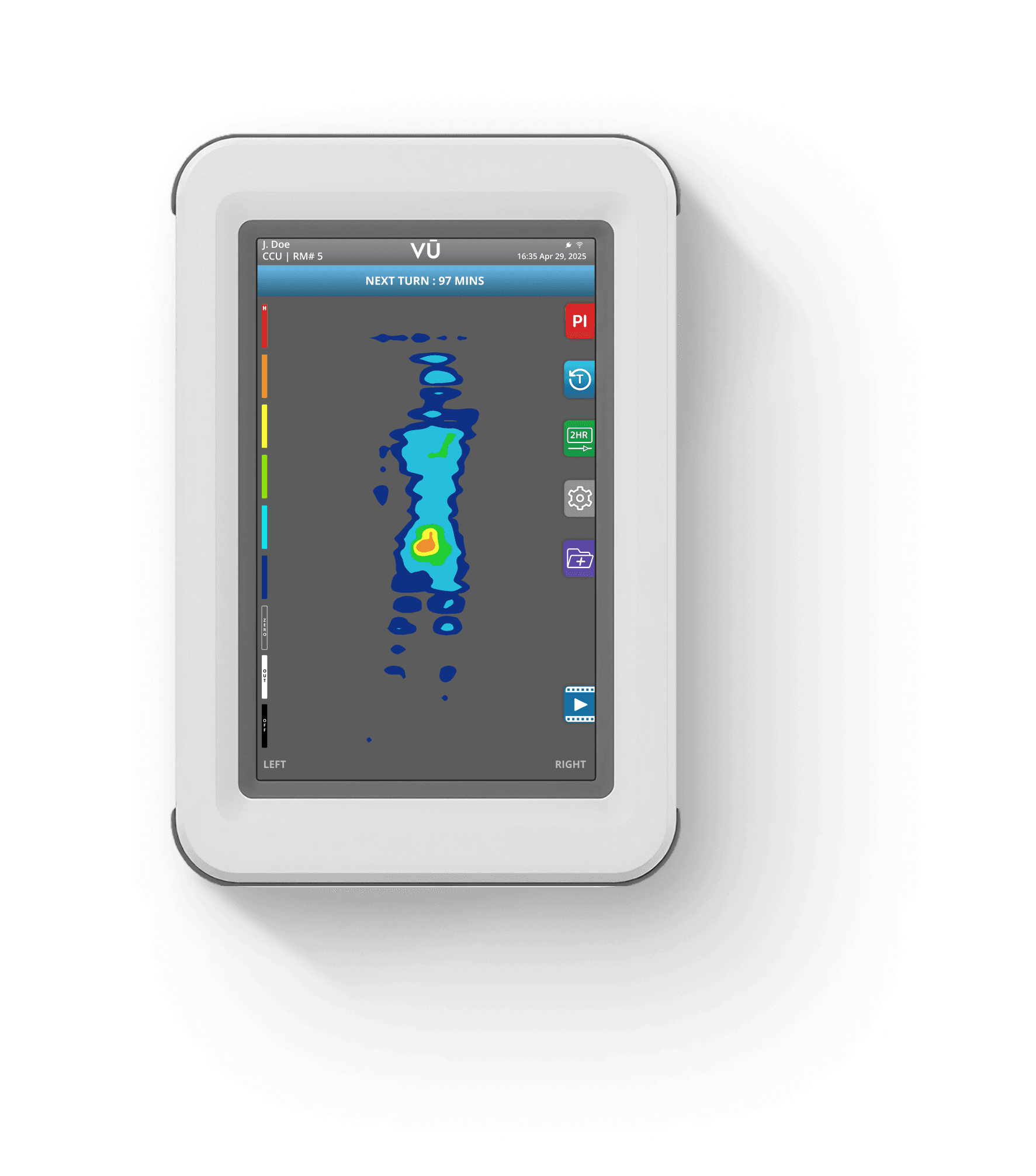
Patients often remain in high-pressure states even
after being turned, and there is no way to confirm
that pressure has actually been offloaded.
Assessment without insight
Clinical decisions are made based on judgement and experience, without direct visibility into actual pressure
Effort without results
Significant critical effort is applied, yet pressure often remains elevated in vulnerable areas

Accountability without visability
Nurses follow every protocol and work tirelessly, yet when pressure injuries occur, the burden of blame falls on them


“Routine repositioning alone cannot eliminate high-pressure areas in the sacral region.”
— Peterson M et al., JRRD 2013
Without seeing pressure in real time,
offloading can't be verified
Clinical procedures are guided in real time
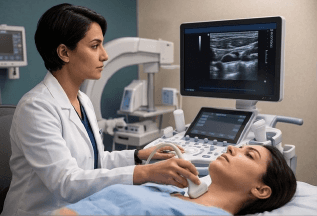
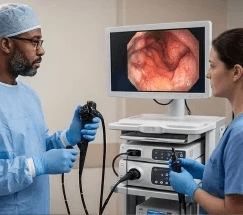
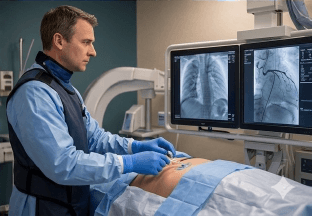
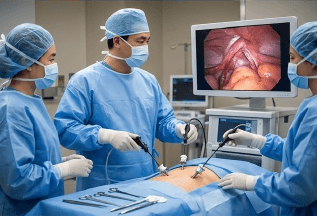
From vascular access to imaging-guided interventions
clinicians rely on vision to guide action
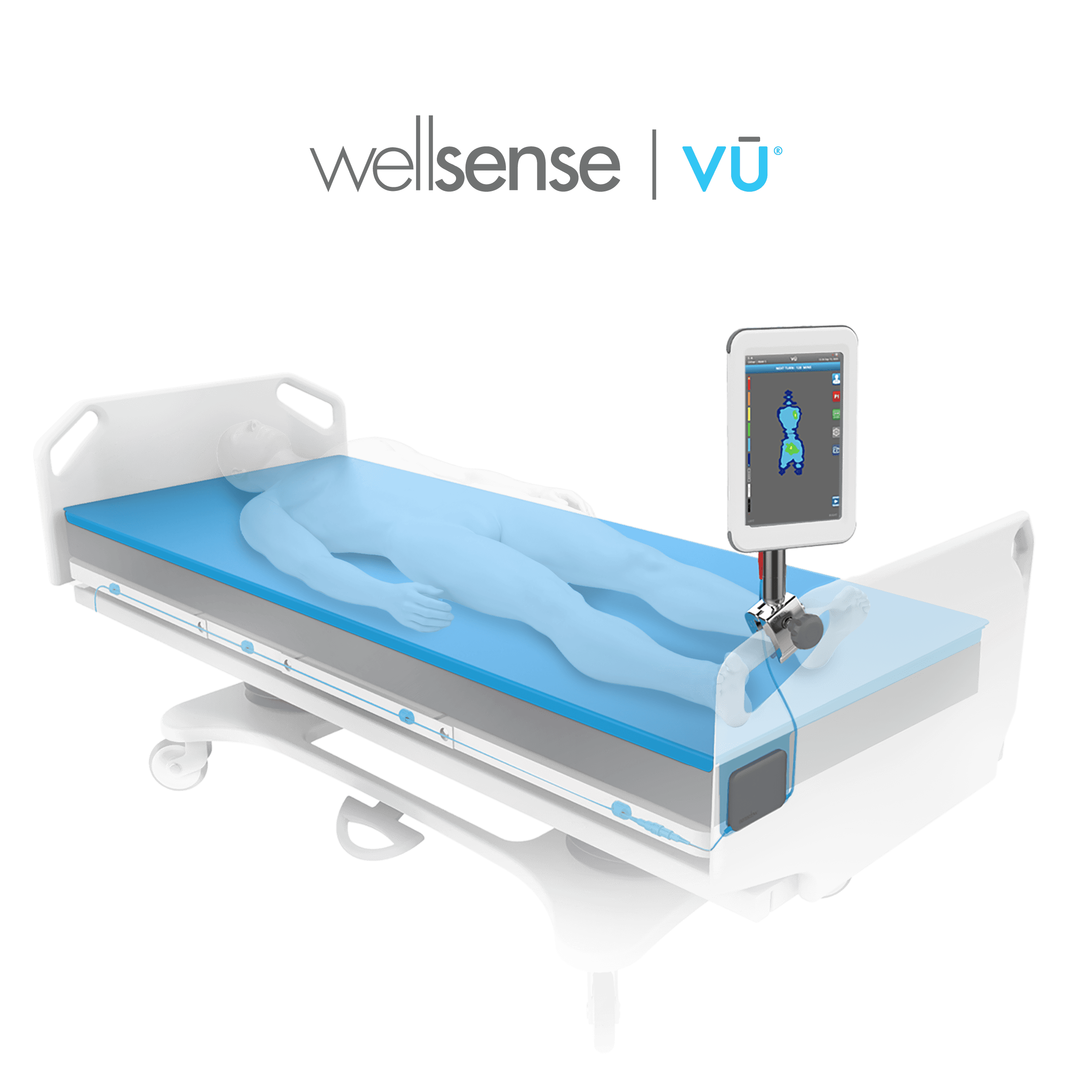
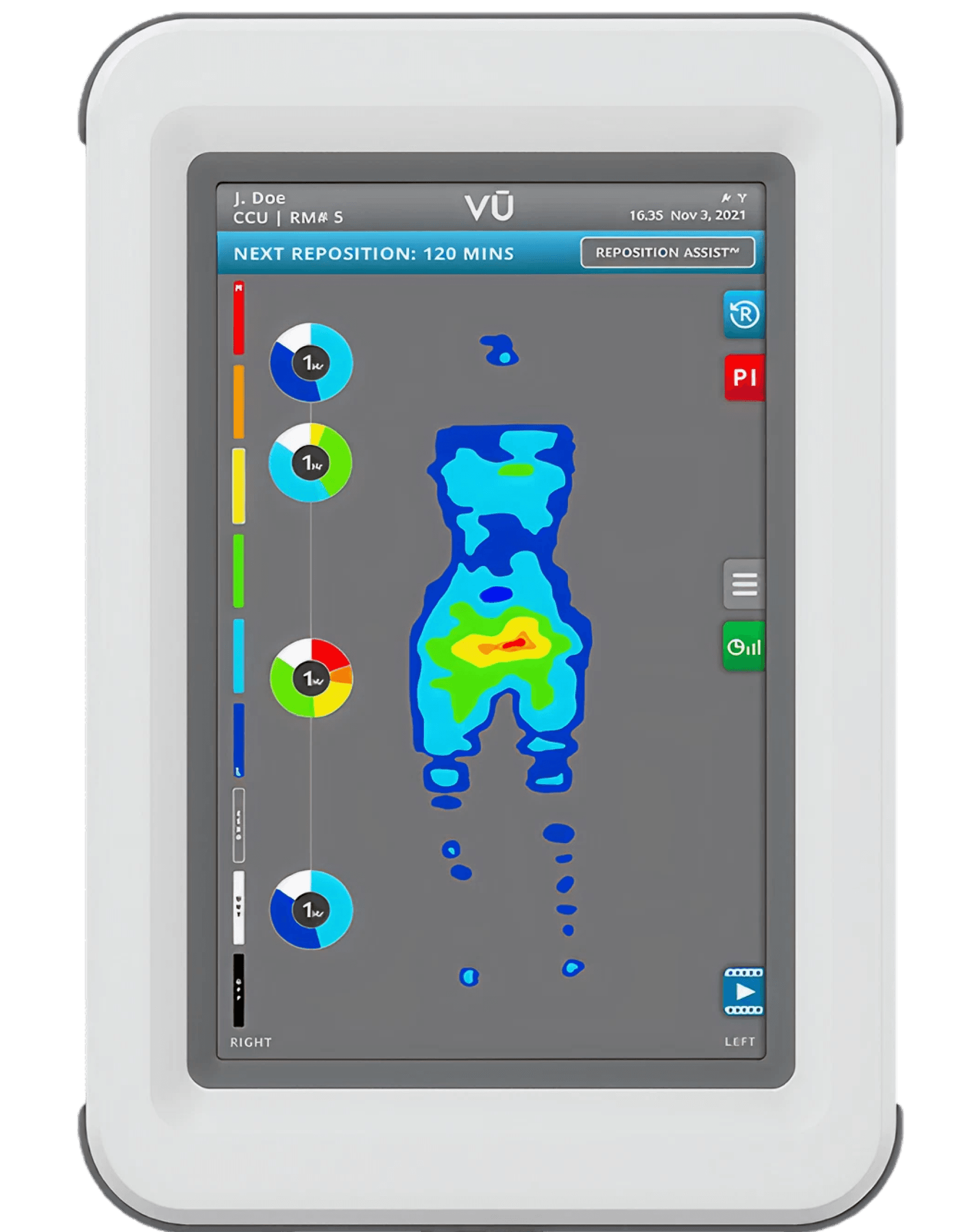
For the first time, nurses can see pressure
Eliminating guesswork and blind turning
Actions are guided and validated
Offloading is targeted and confirmed in real time
Patients and nurses are protected
Preventing pressure injuries and reducing nurse injury from unnecessary strain
Clinically Validated
Effectiveness
Clinically Proven
Performance
Demonstrated in a major academic burn unit treating patients with severely compromised skin integrity and limited mobility
Delivering consistent success across leading hospitals throughout the U.S., in all critical care environments
CMS 2028 Update: A 287% Increase in Reportable Pressure Injury Events
Hospitals already struggling with pressure injuries will face a significant increase in exposure
Only Wellsense VŪ has consistently demonstrated the ability to prevent pressure injuries through visually guided pressure offloading
Target High-Risk, High-Cost Patients

Do Not Turn Orders
Low
Braden Score
Post Lengthy Surgery
Existing PI
Immobile
Eliminate Spend on Low-Risk Patients
CapEx-Free with
Strategic Deployment
Deploy where it matters. Protect patients who need it most.
You choose which patients receive Visually Guided Pressure Offloading — directing limited budgets toward those you define as highest risk, who typically drive most of your pressure injury costs.
This ensures every dollar is aligned toward clinical and financial impact.
Want to understand how it could work in your unit? Let’s have a quick, low-pressure conversation with a clinical specialist.